Chris Pennycook
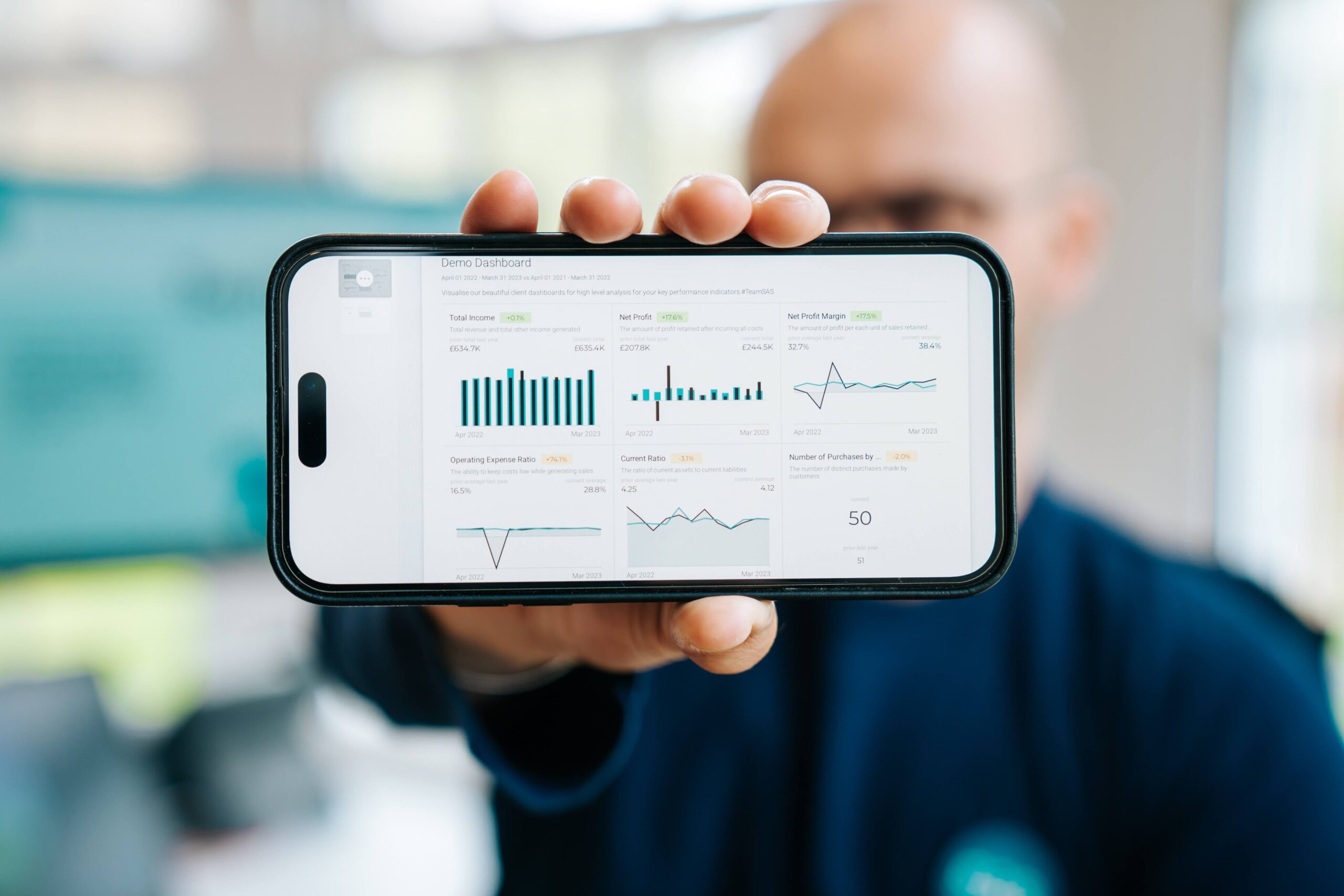
One thing that has become clear in my time in the accounting industry (now spanning over a decade.. gulp!) is how powerful tracking key performance indicators (KPIs) is to businesses’ long-term success. These metrics not only help you understand your company’s financial health but also guide decision-making, ensure operational efficiency, and pinpoint areas for growth.
In my experience, businesses that track the right KPIs are better equipped to navigate challenges, seize opportunities, and make smarter, data-driven decisions.
Here are 10 important KPIs that can help you better understand your business’s performance, strengthen operations, and plan for long-term success:
Here are 10 important KPIs that can help you better understand your business’s performance, strengthen operations, and plan for long-term success:
1. Gross/Net Profit Margin
Your gross profit margin tells you how efficiently your business produces and sells its products or services. It’s a critical measure of profitability. By analysing this metric, we help companies to identify cost-saving opportunities and optimise pricing strategies to improve overall margins.
While gross profit margin looks at direct costs, net profit margin takes into account all expenses, including overhead, taxes, and interest.
This is the real indicator of a business’s overall profitability. Tracking this KPI shows how much money your business keeps after all expenses. Regularly tracking this ensures you’re not just breaking even but building a sustainable future.
2. Innovation Rate
The innovation rate measures the percentage of your revenue generated by new products or services. It reflects your ability to adapt to changing market demands while encouraging a culture of creativity and experimentation. Focusing on this KPI can lead to increased customer satisfaction, greater profitability, and a strong competitive edge—all while keeping your offerings fresh and exciting.
3. Customer Lifetime Value (CLV)
CLV calculates the total revenue a customer is expected to generate throughout their relationship with your business. By identifying your most valuable customers, you can refine your marketing and retention strategies, prioritize investments, and maximize long-term profitability.
4. Cash Flow
Cash flow is like your business’s heartbeat—it keeps everything running. As accountants, we can’t stress enough the importance of knowing where your money is coming from and going. A strong cash flow allows your business to operate smoothly, pay bills on time, and invest in growth opportunities. Without it, even profitable companies can face serious challenges.
5. Employee Engagement
Employee engagement measures how connected and motivated your team feels. A focus on this KPI will boost productivity and improve customer service. Engaged employees contribute to a thriving workplace and deliver exceptional performance, making this a critical metric for long-term success.
6. Net Promoter Score (NPS)
NPS gauges customer loyalty by asking how likely customers are to recommend your business. A high NPS indicates strong brand advocacy, which can lead to growth through referrals. Tracking this metric allows businesses to address customer concerns and refine their strategies to build lasting relationships.
7. Return on Investment (ROI)
ROI evaluates the efficiency of your spending by comparing costs to the revenue generated. For instance, effective marketing campaigns often deliver high ROI by attracting customers and increasing sales. Tracking ROI helps businesses allocate resources to strategies that yield the best returns.
8. Repeat Purchase Rate
This KPI measures the percentage of customers who return to make additional purchases. A high repeat purchase rate indicates strong customer loyalty and satisfaction, helping businesses optimize their retention strategies and drive consistent revenue.
9. Accounts Receivable Turnover
Are your customers paying on time? Tracking how quickly you collect payments from your customers is vital to maintaining healthy cash flow. As accountants, we work with our clients to manage accounts receivable, ensuring they keep customer payments on track and avoid the strain of late invoices or slow collections.
10. Debt-to-Equity Ratio
The debt-to-equity ratio shows how your business is financed through debt versus equity. It’s an important indicator of financial risk. A high ratio could signal that the company is overly reliant on debt, which can be risky in periods of economic downturn. By monitoring this KPI, we help businesses strike the right balance between debt and equity to maintain financial stability.
By focusing on these KPIs, you can gain a deeper understanding of your business’s performance and make data-driven decisions that propel your success. Which of these metrics do you think your business should prioritise?
Looking for more information or need support? Get in touch.